Our Blogs

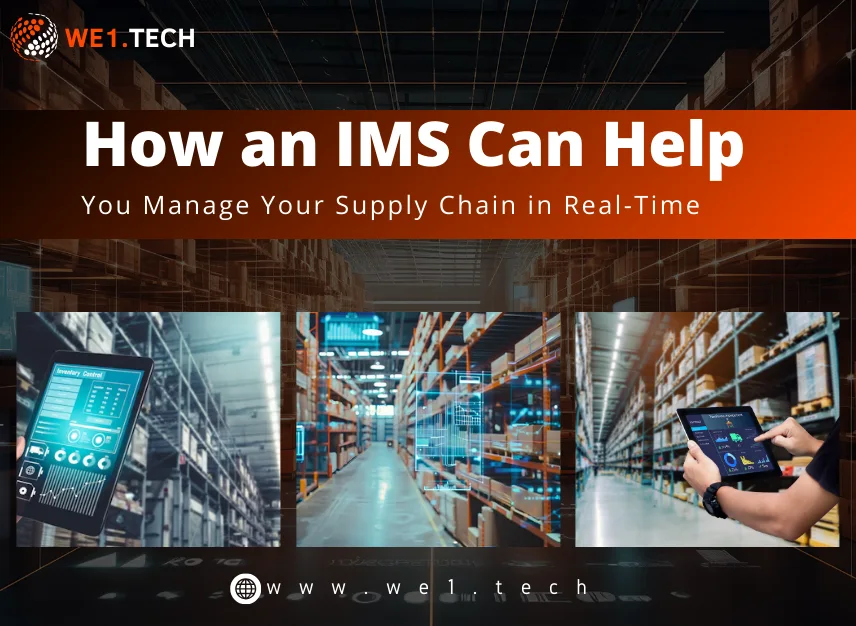
How an IMS Can Help You Manage Your Supply Chain in Real-Time

How an IMS Can Help You Manage Your Supply Chain in Real-Time

Every business dealing with products faces the challenge of managing stock effectively. Whether it is a retail store, an e-commerce company, or a manufacturing unit, keeping track of inventory is crucial. In today's times, customers expect timely deliveries with no errors. Thus, businesses need a reliable solution to streamline their supply chain. This is where having an Inventory Management System (IMS) becomes imperative.

An IMS provides live updates and visibility across your supply chain, helping you make well-informed decisions. From automating processes to tracking stock levels, orders, and vendors, IMS transforms your operations.

In this blog post, we will dive deeper to understand the significance of IMS and how it helps businesses manage their supply chain more efficiently. So, let's get started!

What Is an Inventory Management System (IMS)?

An Inventory Management System (IMS) is a software tool that helps businesses track and optimize their stock levels in real-time. It ensures you always know how much stock you have, where it is located, and when it needs to be replenished.

Why Is It Important?

Without an IMS, businesses risk overstocking or understocking. This, ultimately, leads to financial losses, wasted storage space, or customer dissatisfaction. An IMS eliminates all the guesswork by providing accurate data and automating manual tasks like stock counting and order tracking.

Who Can Use It?

  • Retailers: To manage store inventory and online orders.

  • Manufacturers: For keeping a track of raw materials as well as finished goods.

  • E-commerce Businesses: To ensure accurate stock levels and timely deliveries.

  • Warehousing and Logistics Companies: For organizing inventory and streamlining supply chain tasks.

How an IMS Helps You Manage Your Supply Chain

Here are ten ways an IMS can manage and optimize your supply chain operations:

  • Automates Supply Chain Operations -

    Manual inventory tracking is certainly prone to errors and consumes time. An IMS automates labor-intensive tasks like stock updates, order placements, and shipment tracking. This reduces errors and improves operational efficiency.

    Example: A retail store using an IMS can automate restocking when inventory levels fall below a set threshold. Automating these tasks not only saves time but also reduces dependence on human intervention, ensuring faster operations during peak periods.

  • Provides Real-Time Visibility -

    With live updates, a warehouse inventory management system offers end-to-end visibility across your supply chain. You can monitor supplier performance, stock movements, and warehouse activities in real time. This ensures quick decision-making and minimizes delays.

  • Enhances Demand Forecasting -

    IMS uses historical data and trends to predict future demand. This ensures you maintain accurate stock levels, while avoiding overstock or out-of-stock situations.

  • Increases Sales and Customer Satisfaction -

    When stock levels are properly tracked, consumers are less likely to encounter out-of-stock messages. An IMS ensures timely order fulfillment, leading to happier customers and repeat sales.

  • Tracks and Optimizes Stock Levels -

    IMS ensures you always know what’s in stock, its location, and how much is needed. This helps in reducing dead stock and optimizing storage space. With better tracking, businesses can avoid costly mistakes like overordering or storing outdated products. This is particularly useful for industries like food and beverages and pharmaceuticals, where inventory must be rotated frequently to prevent waste.

  • Improves Order Accuracy -

    An IMS integrates with order management systems to ensure accuracy from order placement to delivery. This reduces errors like sending the wrong item or quantity.

  • Manages Vendor Performance -

    This innovative software solution tracks vendor performance using metrics such as delivery times, product quality, and fulfillment rates. This helps businesses choose the most reliable suppliers.

  • Simplifies Financial Reporting -

    IMS provides detailed reports on inventory costs, turnover rates, and profit margins. This simplifies accounting and helps in financial planning.

  • Reduces Operational Costs -

    By automating processes, IMS undoubtedly reduces costs associated with manual labor, excess stock, and storage.

  • Supports Scalability -

    As your business grows, an IMS adapts to handle increased inventory and more complex supply chain operations. It ensures your operations remain seamless, even during expansion. Additionally, a scalable IMS can integrate with new technologies, such as RFID or IoT sensors, offering even greater precision and efficiency in managing inventory at scale.

Key Features of an Inventory Management System

An Inventory Management System comes with powerful features that make stock tracking and supply chain management efficient:

  • Real-Time Tracking: Monitor stock levels and movements instantly, from anywhere, anytime.

  • Barcode Scanning: Quickly update inventory with handheld scanners.

  • Integration with Other Systems: Connect your IMS with accounting, sales, and CRM tools for a unified approach.

  • Customizable Dashboards: Access inventory data in a visually appealing, easy-to-read format.

  • Automated Alerts: Get notifications for low stock levels, delayed shipments, or upcoming reorders.

  • Analytics and Reporting: Generate insightful reports on stock trends, vendor performance, and financial metrics.

  • Multi-Warehouse Support: Manage inventory across multiple locations from a single platform.

Tips for Choosing the Ideal IMS for Your Business

Here are some tips and tricks to help you pick the right IMS:

  • Identify Your Needs: Consider your business size, inventory volume, and complexity.

  • Look for Scalability: Choose a system that grows with your business.

  • Check for Integration: Ensure it integrates with your existing software, like CRM, ERP, TMS or WMS.

  • Evaluate Ease of Use: The system should be user-friendly for your team.

  • Focus on Real-Time Features: Real-time tracking and updates are essential for supply chain efficiency.

  • Ensure Data Security: Pick a system that prioritizes data protection and compliance.

  • Request a Demo: Test the software before committing to ensure it meets your requirements.

Bottom Line

An Inventory Management System (IMS) is a powerful tool that transforms supply chain management by automating processes, improving accuracy, and providing real-time visibility. It empowers businesses to stay competitive in a fast-paced market while reducing costs and enhancing customer satisfaction.

By choosing the right IMS, you can streamline operations, forecast demand accurately, and scale seamlessly as your business grows. Don’t let inventory management challenges hold you back—invest in an IMS today and watch your supply chain thrive.

Business Blog

Discover the latest technology news and learn more about Analysis & Design, Data Solutions, IT Project Management, or software development with professionals from We1.Tech.

Our Clients